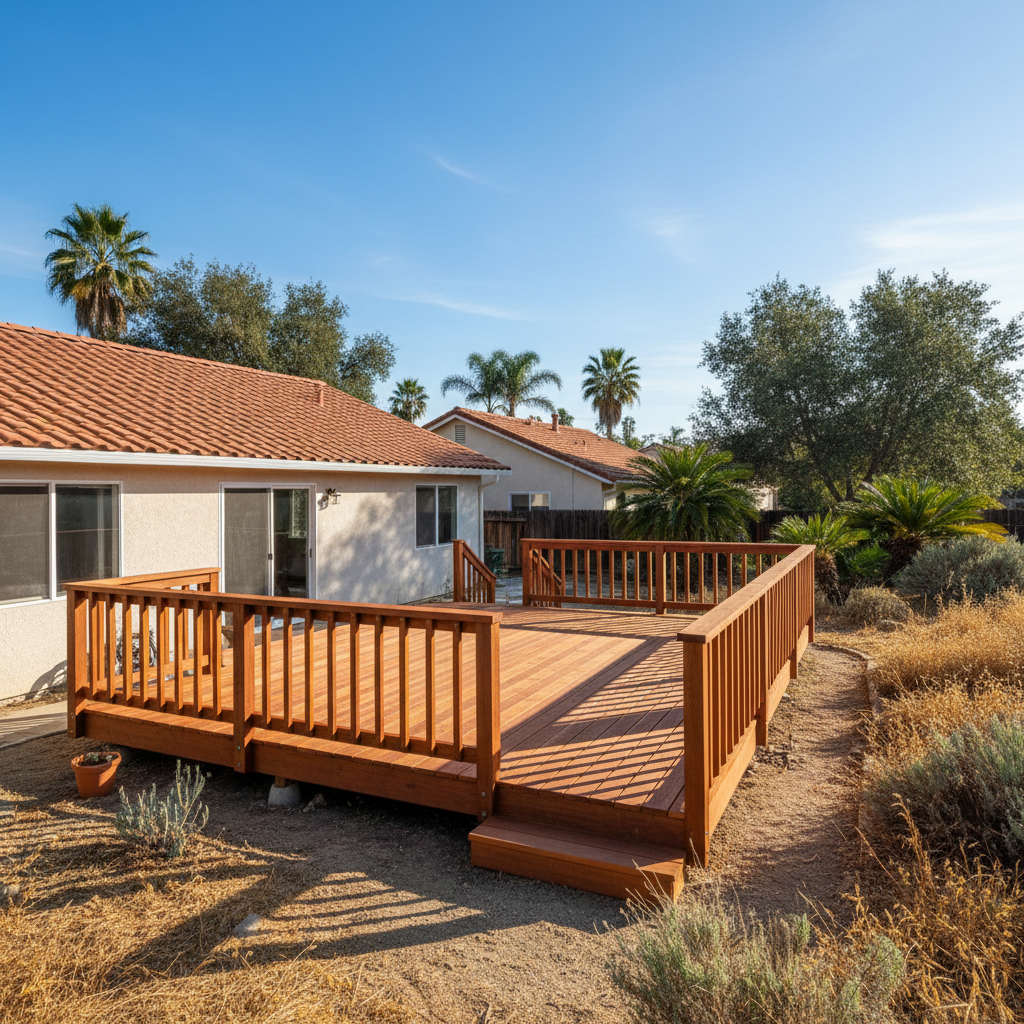
Timing Your Deck Repairs in Vista
So, you've got a deck that needs some love. Maybe a wobbly railing, some splintered boards, or a whole section that's seen better days. The first question I usually get is, "When's the best time to fix it?" And honestly, it's a great question, because in Vista, our weather isn't always as straightforward as you might think for construction work.
You'd imagine summer, right? Long, sunny days, perfect for being outside. And yeah, for some things, it's fine. But for deck repairs, especially bigger jobs or anything involving new wood, adhesives, or finishes, summer can actually be a tricky time. Those really hot, dry days we get, especially in August and September when the Santa Anas kick up, can be tough. New wood can dry out too fast, leading to cracks or warping if it's not sealed quickly. Stains and sealants might cure too rapidly, not penetrating properly, or they can bubble and peel.
For us, the sweet spot for most deck repairs and new installations is usually spring or fall. Think late March through June, or October through early December. Why? Because the temperatures are more moderate. Wood has a chance to acclimate to the humidity levels without getting shocked by extreme heat or cold. Finishes dry and cure at a more even pace, which means they'll last longer and look better. Plus, you're usually past the heaviest rains of winter and before the intense heat of summer.
What Vista Weather Means for Deck Work
Our microclimates here in Vista are something else, aren't they? You can be in Shadowridge and it's foggy and cool, then drive ten minutes east towards Bonsall and it's twenty degrees warmer and bone dry. This variation really impacts how we approach deck repair.
Rain is the obvious one. You can't really do much structural work or apply finishes in the rain. It makes wood swell, messes with adhesives, and washes away stains. We're pretty lucky here in Southern California; our rainy season is usually predictable, mostly November through March. That's why scheduling repairs during those months can be a gamble. We've had some pretty wet winters lately, and trying to push a project during a string of storms just isn't smart. It leads to delays, compromised materials, and ultimately, a poorer quality job.
Humidity is another big factor. We get that marine layer rolling in, especially in the mornings, even in summer. For some jobs, a little humidity is good; it helps prevent wood from drying too fast. But too much, or if it's combined with cooler temps, can slow down drying times for stains and sealants, making the project take longer. We're always checking the forecast for dew points and humidity levels, not just temperature and rain chances.
Then there's the sun. Our California sun is intense. Direct, prolonged sun exposure on fresh wood or newly applied finishes can cause problems. That's why you'll often see us starting early or working later in the day during the hotter months, or even setting up temporary shade structures if it's a big area. It's all about controlling the environment as much as possible to ensure the materials perform as they should.
Protecting Your Deck Investment Year-Round
Once your deck is repaired or rebuilt, you want it to last, right? It's not a set-it-and-forget-it kind of deal, especially with our coastal-adjacent climate. Here's what I tell folks:
- Clean it regularly: Just a good sweep to get off leaves and debris. Maybe a gentle wash with a deck cleaner once or twice a year. Don't let grime build up, it holds moisture and encourages mold.
- Inspect for issues: Walk around your deck every few months. Look for loose screws, splinters, or areas where the finish is wearing thin. Catching small problems early saves you big headaches (and money) down the road.
- Re-seal or re-stain: This is probably the most important thing you can do. Depending on the product and how much sun your deck gets, you'll need to reapply a protective finish every 1-3 years. That finish is your deck's sunscreen and rain jacket. Without it, the wood will gray, crack, and eventually rot.
- Trim back plants: Keep bushes and trees from growing directly onto or over your deck. They trap moisture, drop leaves, and can even scratch the surface. Good airflow around and under your deck is key to preventing rot.
- Mind the moisture: If you have potted plants, put them on stands so they don't sit directly on the deck and trap moisture. Make sure your sprinklers aren't constantly drenching the deck either.
We've seen decks last decades here in Vista when they're properly cared for. And we've seen others fall apart in a few years because they were neglected. If you're ever unsure about what your deck needs, or if you spot something that looks like a bigger problem, don't hesitate to give Genesis Deck Solutions a call. We're always happy to take a look and give you an honest assessment. Taking care of your deck isn't just about curb appeal; it's about safety and protecting a significant investment in your home.